Causes, Treatments, and Tips for Neck Pain
Table of Contents
Neck pain is a remarkably common condition, affecting millions of people globally. While often associated with poor posture or sleeping position, chronic neck pain can severely impact quality of life, mobility, and productivity. The neck (cervical spine) is a complex structure of seven small vertebrae (C1-C7), muscles, ligaments, and nerves designed to support the head's significant weight (roughly 10 - 12 pounds) while allowing tremendous range of motion. Because of its constant work and delicate structure, it is highly susceptible to strain, injury, and age-related wear and tear. Understanding the root causes, effective treatments, and preventative tips is the first step toward finding relief.
Most instances of neck pain are not serious and resolve within a few days or weeks with simple self-care and ergonomic adjustments. However, persistent or severe pain warrants professional medical attention, as it can occasionally signal a more serious underlying issue involving the spine, nerve compression, or disc degeneration.

Symptoms
The symptoms of neck pain can vary widely in intensity and type, from a dull, nagging ache to sharp, shooting pain. The specific presentation of the pain often helps clinicians determine the underlying cause and the tissues involved.
- Stiffness: Difficulty moving the head, especially when trying to turn it side to side, often described as a "stiff neck." This stiffness is frequently worse in the morning.
- Sharp Pain: Localized, acute pain usually felt in one spot (e.g., the base of the skull or top of the shoulder) that may worsen with specific movements or turning the head.
- Radiating Pain (Cervical Radiculopathy): Pain that begins in the neck and shoots down into the shoulder, arm, or hand, often following the path of the irritated nerve. This can be accompanied by numbness, pins and needles (paresthesia), or muscle weakness, indicating nerve root irritation or compression.
- Muscle Tightness and Spasms: Muscles feel hard, tender, or knotted (trigger points), sometimes leading to involuntary, painful muscle contractions (spasms) that limit movement.
- Headaches: Pain that originates in the neck (cervical spine) or upper trapezius muscles and travels up to the back of the head or temples (cervicogenic headaches).
- Reduced Range of Motion: Inability to fully rotate, flex, or extend the head and neck without pain or a feeling of being "blocked."
Causes
The causes of neck pain can be broadly categorized into mechanical stress/strain, age-related degeneration, and direct injury. Identifying the specific cause is key to selecting the most effective treatment plan.
Mechanical and Postural Strain
These are the most frequent causes, often stemming from long periods spent in awkward positions:
- "Tech Neck" or Forward Head Posture: Resulting from constantly looking down at a phone, tablet, or computer screen. For every inch the head tilts forward, the pressure on the cervical spine can increase by 10 pounds. This puts immense, prolonged strain on the muscles, ligaments, and discs.
- Poor Sleeping Position: Sleeping on your stomach or using an unsupportive pillow that holds the neck at an awkward angle, which forces the cervical muscles to remain contracted for hours.
- Repetitive Motion: Jobs or hobbies (such as driving, painting, or heavy lifting) that require frequent, repetitive turning, bending, or holding the head in a static position for prolonged periods.
- Emotional Stress: Chronic emotional stress causes people to unconsciously elevate and tense up their shoulder and neck muscles (upper trapezius), leading to chronic tightness and trigger points.
Age-Related Conditions (Degeneration)
Over time, the structures of the spine naturally wear down, increasing the risk of pain:
- Cervical Osteoarthritis (Spondylosis): The cartilage between the neck's vertebrae and facet joints wears down. The body responds by forming bone spurs (osteophytes), which restrict movement and can potentially irritate nerves.
- Spinal Stenosis: The spinal canal—the passage containing the spinal cord—narrows, putting pressure on the spinal cord or nerve roots, often due to degenerative spurs or thickened ligaments.
- Degenerative Disc Disease: The cushiony intervertebral discs between the vertebrae lose fluid content and shrink over time, reducing their ability to absorb shock and potentially leading to disc bulging or herniation.
Injuries
- Whiplash: A common injury from rear-end car accidents involving a sudden, forceful back-and-forth movement of the head that stretches the muscles and ligaments far beyond their normal range.
- Falls or Contact Sports: Direct trauma to the head or neck area, which can cause fractures or severe ligament sprains.
Tips for Pain Relief (Self-Care)
For mild to moderate acute neck pain, immediate self-care measures can be highly effective in controlling pain and accelerating recovery.
- R.I.C.E. Principle Adaptation: Use Ice for the first 48 hours (15 - 20 minutes at a time) to reduce swelling and inflammation, then switch to Moist Heat (warm showers, microwavable heat pad) to relax and loosen tight muscles. Rest is important, but total immobilization should be avoided.
- Over-the-Counter Medications: Nonsteroidal Anti-inflammatory Drugs (NSAIDs) such as ibuprofen (Advil, Motrin) or naproxen (Aleve) are excellent choices as they address both pain and inflammation. Acetaminophen (Tylenol) can also be used for pain relief.
- Ergonomics Check: Adjust your workstation immediately. Ensure your computer monitor is at eye level so your head is not tilted forward. Use a headset for long phone calls instead of cradling the phone between your ear and shoulder.
- Pillow Selection: Sleep on your back or side, using a supportive pillow that maintains the natural curve of your neck (cervical curve). Contour pillows or memory foam pillows are often recommended. Absolutely avoid sleeping on your stomach, as this forces your neck into a severely rotated position.
- Hydration: Staying well-hydrated is essential for maintaining the fluid content and height of the intervertebral discs.
Other Treatments
If self-care measures are insufficient or if the pain becomes chronic, specialized therapeutic approaches are often necessary.
- Physical Therapy (PT): This is the most crucial non-surgical treatment. A PT will perform a thorough evaluation and prescribe specific exercises to strengthen weak neck and upper back muscles (like the deep neck flexors), improve posture, and increase the neck's pain-free range of motion. PT may also involve hands-on techniques like joint mobilization and soft tissue massage.
- Therapeutic Massage: Focused massage therapy can effectively target painful trigger points and muscle knots, reducing spasms and improving localized circulation.
- Chiropractic Adjustments: Chiropractors use manipulation techniques to restore normal motion to the cervical joints. This treatment is generally safe but should be approached carefully, especially in cases of advanced degeneration or instability.
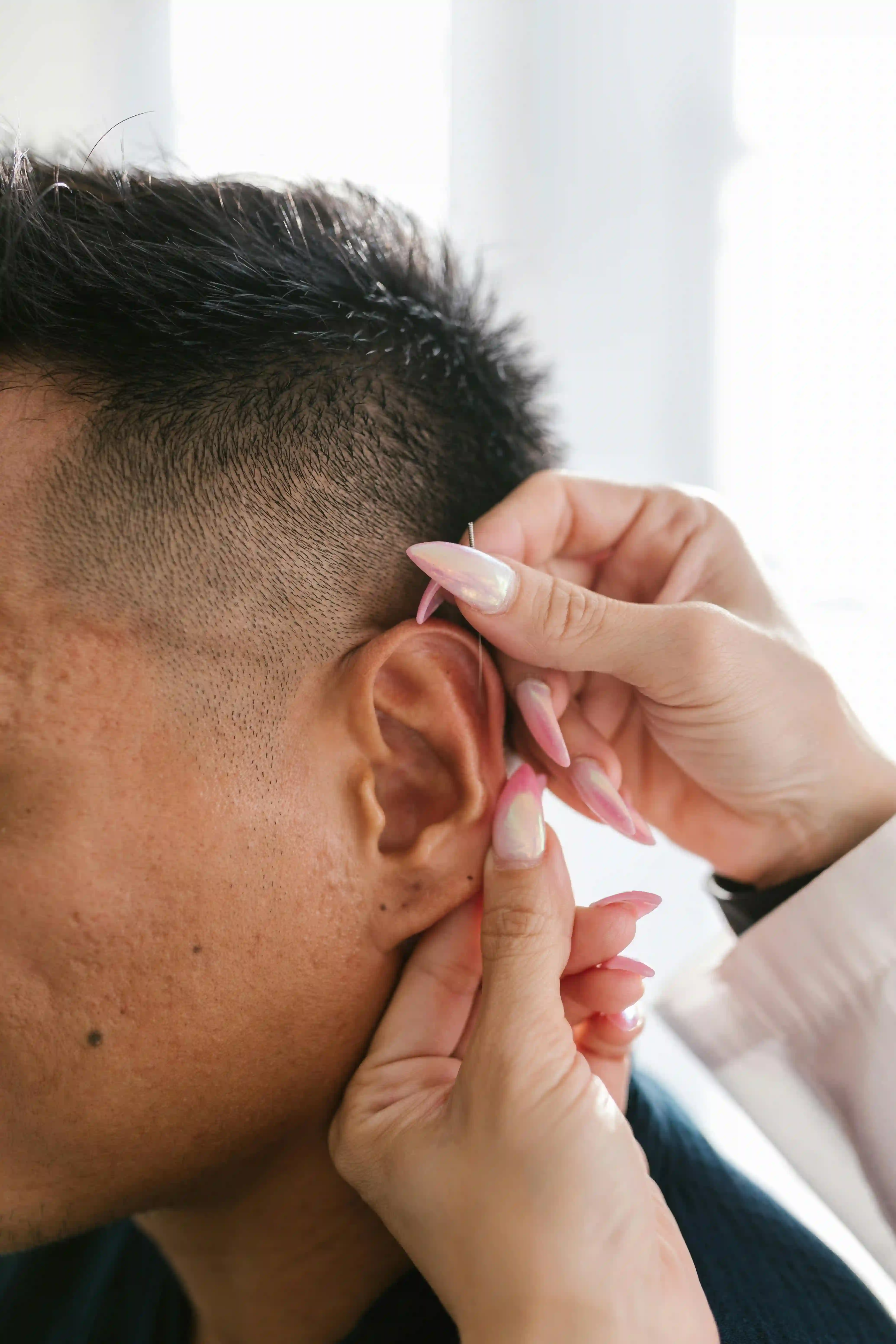
- Acupuncture: Involves the insertion of fine needles into specific points. This is thought to stimulate the central nervous system, prompting the body to release natural pain-relieving chemicals (endorphins) and improving local blood flow.
- Transcutaneous Electrical Nerve Stimulation (TENS): A small, battery-powered device that delivers a low-voltage electrical current to the painful area through electrodes placed on the skin. This can temporarily block or scramble pain signals.
Medical Support
When pain is debilitating, chronic (lasting over six weeks), or associated with severe neurological symptoms, a primary care physician or specialist (orthopedist, physiatrist, or neurosurgeon) will intervene.
- Prescription Medications:
- Muscle Relaxants: Medications like cyclobenzaprine (Flexeril) may be prescribed for short periods to alleviate severe muscle spasms.
- Neuropathic Agents: Drugs like gabapentin or pregabalin may be used if the pain is determined to be nerve-related (radiculopathy).
- Short-Term Corticosteroids: A short course of oral steroids can be used to quickly reduce severe, generalized inflammation.
- Diagnostic Imaging: X-rays, CT scans, and especially Magnetic Resonance Imaging (MRI) are used to visualize soft tissues, disc health, and nerve root compression.
- Steroid Injections: Highly effective for localized inflammation. Corticosteroids may be injected near the nerve roots (Epidural Steroid Injection) or directly into the facet joints (Facet Joint Injection) to provide potent, long-lasting anti-inflammatory relief.
- Surgery: This is considered the last resort, typically reserved for cases where imaging shows significant instability, spinal cord compression (myelopathy), or nerve root compression that causes debilitating weakness or hasn't responded to extensive conservative care. Common procedures include Anterior Cervical Discectomy and Fusion (ACDF) or disc replacement.
The Bottom Line
Most neck pain is functional, related to lifestyle, posture, and stress, and can be successfully managed and prevented through proactive habits. Consistency is the single most important factor in both recovery and prevention; minor daily adjustments to how you sit, stand, and sleep are often more effective than intermittent, expensive treatments.
If you experience any warning signs, such as pain radiating into the limbs, numbness, or weakness, seek medical evaluation promptly to rule out serious nerve issues. For chronic, persistent pain that lasts longer than six weeks, a referral to a physical therapist or spine specialist can provide a definitive diagnosis and a personalized, structured recovery plan. Do not delay seeking help for neurological symptoms.
Frequently Asked Questions about Neck Pain
How long does a stiff neck usually last?
Most common neck stiffness caused by muscle strain (like sleeping wrong or "tech neck") is acute and resolves within a few days to one week with rest, gentle stretching, and over-the-counter pain relievers.
If the pain lasts longer than six weeks or is severe, it is classified as chronic or subacute and you should seek medical attention to rule out underlying issues like disc or nerve problems.
Should I use heat or ice for neck pain?
The general recommendation is to use ice for the first 48 hours to help reduce acute inflammation, especially if the pain is due to a sudden injury or strain.
After 48 hours, switch to moist heat (like a warm shower or heating pad) to relax and loosen tight, spasming muscles and increase blood flow to the area, promoting healing.
Can stress cause my neck pain?
Yes, stress is a major contributor to musculoskeletal pain, including neck pain. When a person is stressed, the body unconsciously tightens the upper trapezius muscles (the muscles running from the neck to the shoulders) as a defensive reaction.
Holding this tension for long periods leads to muscle knots, reduced blood flow, and chronic pain and stiffness in the neck and shoulders.
When should I see a doctor for neck pain?
You should see a doctor if your pain is severe, persistent, or accompanied by neurological symptoms. Specifically, seek immediate care if you experience:
- Pain that radiates down your arm or leg.
- Numbness, tingling, or weakness in your arms or hands.
- Pain accompanied by a high fever or severe headache.
- Neck pain that develops after a trauma, like a car accident.
How we reviewed this article:
Our team continually monitors and updates articles whenever new information becomes available.
Written By
Ian Nathan, an MBChB Candidate, and the Healtharticles Editorial Team
Medically Reviewed By
Ian Nathan, an MBChB Candidate