8 Best Vitamins and Supplements for Dry Skin
Table of Contents
Dry skin is a common concern that can affect comfort, appearance, and overall skin health. While moisturizers and gentle skincare routines are essential, nutrition also plays a significant role in maintaining skin hydration and barrier function.
Vitamins and supplements can help support the skin from within, especially when dietary intake is insufficient or when environmental and lifestyle factors contribute to dryness. Below are some of the most commonly recommended nutrients for supporting dry skin.

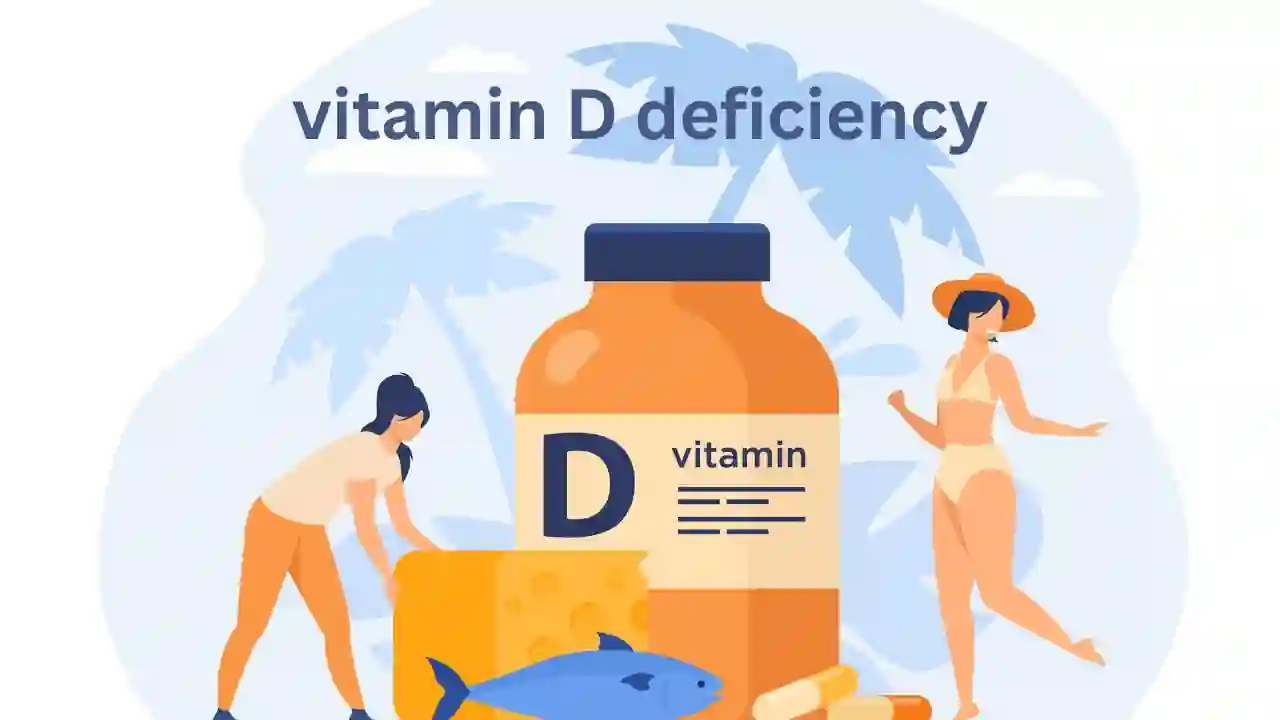
Vitamin D
Vitamin D plays an important role in skin cell growth, repair, and barrier maintenance.
Low vitamin D levels have been associated with dry, irritated skin and certain inflammatory skin conditions.
This vitamin supports immune regulation in the skin and helps reduce excessive water loss. People with limited sun exposure or darker skin tones may be more likely to have low levels.
Vitamin D can be obtained through sunlight, fortified foods, and supplements when needed.
Collagen
Collagen is a structural protein that helps maintain skin strength, elasticity, and hydration.
Collagen supplements may help improve skin moisture levels by supporting the dermal matrix that holds water within the skin.
As collagen production naturally declines with age, supplementation may be helpful for individuals experiencing increased dryness and fine lines.
Hydrolyzed collagen peptides are commonly used due to better absorption.
Vitamin C
Vitamin C is essential for collagen synthesis and skin barrier repair.
This antioxidant helps protect the skin from environmental damage while supporting moisture retention.
Vitamin C deficiency can impair the skin's ability to heal and maintain hydration, leading to rough or flaky texture.
Regular intake through diet or supplementation supports brighter, more resilient skin.
Omega-3s
Omega-3 fatty acids are critical for maintaining the lipid barrier of the skin.
These healthy fats reduce inflammation and help prevent excessive moisture loss.
Low omega-3 intake has been linked to increased dryness, sensitivity, and roughness.
Common sources include fish oil, algae oil, flaxseed, and chia seeds.
Other supplements
Several additional nutrients may support dry skin when used appropriately.
Vitamin E helps protect skin cells from oxidative stress and supports moisture retention.
Zinc contributes to skin repair and barrier integrity, particularly in individuals with deficiency.
Hyaluronic acid supplements may improve skin hydration by increasing water binding capacity within the skin.
Results vary between individuals, and benefits are often most noticeable when deficiencies are corrected.
Finding care
Persistent dry skin may signal an underlying medical condition or nutritional deficiency.
Healthcare professionals can help identify contributing factors through history, examination, and laboratory testing when necessary.
Self supplementation without guidance may not address the root cause and could lead to excessive intake of certain nutrients.
Professional advice ensures a safe and effective approach to managing chronic dryness.
Takeaway
Dry skin is influenced by both external care and internal nutrition.
Vitamins and supplements can support hydration, barrier strength, and skin repair when used appropriately.
For best results, combine proper skincare, a balanced diet, and professional guidance when symptoms persist.
Frequently Asked Questions about Vitamins and Supplements for Dry Skin
Can supplements alone fix dry skin?
Supplements can support skin hydration, but they work best alongside proper skincare and adequate water intake.
Relying on supplements alone without addressing external factors may limit noticeable improvement.
How long do supplements take to improve dry skin?
Skin changes usually occur gradually, often over several weeks of consistent supplementation.
The timeline depends on the severity of deficiency, overall health, and lifestyle factors.
Are there risks with taking skin supplements?
Excessive intake of certain vitamins can cause side effects or interact with medications.
Consulting a healthcare provider helps ensure safe dosing and appropriate selection.
Do topical products work better than supplements?
Topical products provide immediate surface hydration, while supplements support deeper skin processes.
Using both approaches together often produces the most balanced and lasting results.
How we reviewed this article:
Our team continually monitors and updates articles whenever new information becomes available.
Written By
Ian Nathan, an MBChB Candidate, and the Healtharticles Editorial Team
Medically Reviewed By
Ian Nathan, an MBChB Candidate